
News
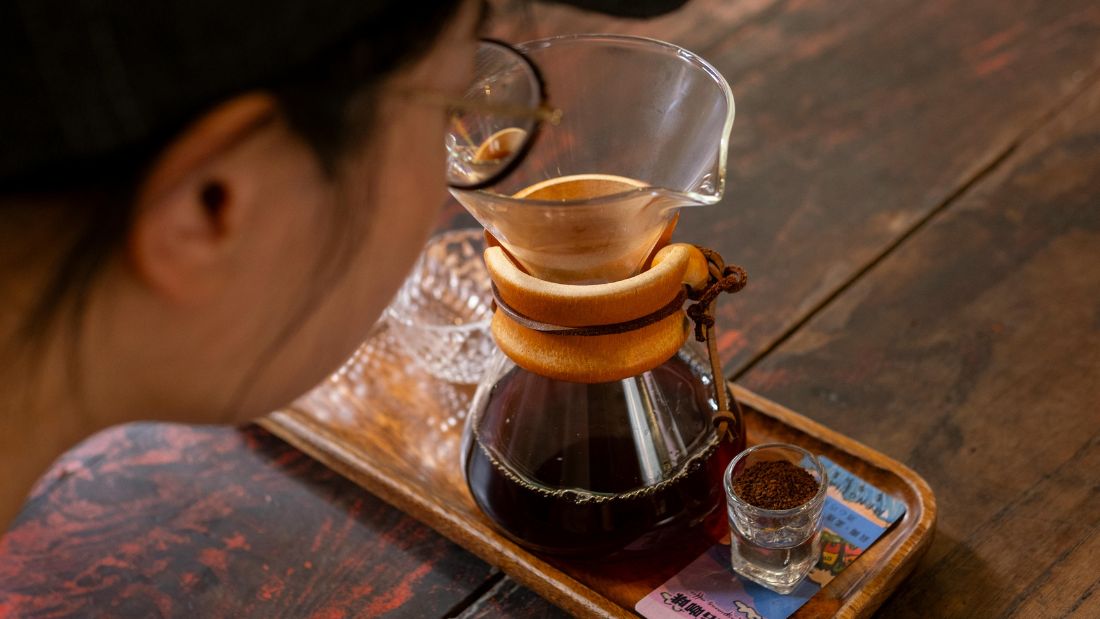
News
The Science Behind Your Next Sip: Flavor, Body & Acidity Explained
Coffee isn’t just coffee, especially when you’re tasting beans roasted fresh and shipped quickly, like what we do here at Elite Roasters of Atlanta. For anyone curious about what makes a cup truly shine, it comes down to three essential elements: flavor, body, and acidity.
Let’s break those down so you can understand and taste the difference.
🍵 Flavor: The Soul of the Bean
Flavor is the overall sensory impression of the coffee. It’s what most people describe first when they sip something they love. At Elite Roasters, we select single-origin beans so you can really taste the unique notes of where your coffee comes from.
Some common flavor notes include:
Nutty or chocolatey (common in Central and South American coffees)
Fruity and floral (more often found in African beans)
Spicy, earthy, or herbal (think Indonesian or Papua New Guinea profiles)
These notes aren’t added. They come from the bean’s genetics, how it’s grown, and how it’s roasted. A light roast might highlight citrus or berry notes, while a dark roast may bring out deeper, more bitter cocoa or tobacco undertones.
🥜 Body: How Coffee Feels in Your Mouth
Body refers to the weight or texture of the coffee on your tongue. It’s sometimes called "mouthfeel," and it can range from light (think tea-like) to full (think syrupy or creamy).
Some examples:
Light-bodied: Often found in African or high-elevation washed coffees. Crisp, clean, and refreshing.
Medium-bodied: Smooth and balanced, perfect for daily drinkers.
Full-bodied: Rich and bold, great for those who want their coffee to linger.
Different brewing methods can enhance or mute a coffee’s body. A French press brings out more oils and creates a fuller feel, while a pour-over will typically result in a cleaner cup.
✨ Acidity: Not Sour, Just Bright
In coffee, acidity doesn’t mean sour or stomach-churning. It refers to the brightness and vibrancy of the flavor. You’ll feel it mostly on the tip and sides of your tongue.
Look for acidity when tasting:
Citrus-like acidity in Ethiopian or Kenyan coffees
Apple or stone fruit brightness in Latin American beans
Mellow, low acidity in darker roasts or aged coffees
Acidity adds liveliness and complexity. It’s what gives a coffee its sparkle. When balanced well with body and flavor, it creates an unforgettable experience.
🌟 Why This Matters to You
When you're selecting a coffee from Elite Roasters, you’ll notice we clearly label roast level and grind type, but also highlight tasting notes. That’s because we believe in empowering you to find your perfect cup.
Whether you love a bold, full-bodied brew with cocoa undertones, or a light, bright coffee with floral high notes, understanding these three elements makes it easier to shop with confidence.
You’re not just buying beans. You’re buying an experience.
📅 Try It Yourself
Ready to explore?
Pick a bag from our shop based on your favorite flavors.
Choose your preferred roast (light, medium, dark).
Select your grind type (whole bean, medium, coarse, etc.)
We’ll roast and ship it fresh, just like always. Because at Elite Roasters, freshness isn’t optional. It’s the standard.
Shop now and taste the Elite difference.
Explore Coffee Collection →

News
Brewing a High-Quality Coffee Experience on a Budget
Who says you need to break the bank to enjoy a high-quality coffee experience? With a few smart choices, you can elevate your daily brew while keeping costs low. The secret lies in choosing the right brewing methods, understanding the importance of freshly ground beans, and using simple, affordable tools. In this guide, we’ll walk you through brewing with a French press and pour-over, show you how to choose a budget-friendly grinder, and explain how to get the ideal water temperature for a perfect cup.
Why Brewing Method Matters
Brewing coffee at home offers you complete control over the flavor and strength of your cup. The French press and pour-over are two excellent methods that are not only budget-friendly but also deliver rich, flavorful coffee when done correctly. While these methods may take a bit longer than automatic drip machines, the enhanced taste and satisfaction make them well worth the wait.
French Press Method
The French press is one of the easiest and most cost-effective ways to make a robust cup of coffee. Here’s how you can do it:
What You’ll Need:
French press (available for around $15-$20)
Freshly ground coffee beans
Hot water
Stirring spoon
Brewing Steps:
Grind your beans: Use a coarse grind for the French press. If you’re using a budget-friendly manual or electric coffee grinder (around $10-$20), set it to the coarsest setting. This prevents over-extraction and bitterness.
Heat your water: Bring water to a boil, then let it cool slightly until it reaches a temperature between 170°F and 180°F. Water that is too hot can scorch the grounds, leading to bitter flavors.
Add coffee grounds: Use a ratio of 1 gram of coffee to 15 grams of water. For a standard 8 oz cup, that’s about 2 tablespoons of coffee.
Pour water and stir: Pour hot water over the grounds, stir gently to ensure all grounds are saturated, and place the lid on without pressing down.
Steep: Let the coffee steep for 4 minutes.
Press and serve: Slowly press the plunger down and pour your freshly brewed coffee into your favorite mug.
Pour-Over Method
Pour-over brewing brings out the nuanced flavors of high-quality coffee beans, making it perfect for those who love a clean, bright cup.
What You’ll Need:
Pour-over dripper (like a V60 or a simple cone dripper)
Paper filters
Freshly ground coffee beans
Hot water
A kettle with a spout for controlled pouring
Brewing Steps:
Grind your beans: Use a medium grind size, similar to coarse sea salt. A budget-friendly manual grinder works perfectly for this.
Prepare the dripper: Place a paper filter in your pour-over dripper and rinse it with hot water to remove any paper taste and preheat your dripper.
Add coffee grounds: Use a ratio of 1 gram of coffee to 16 grams of water. For an 8 oz cup, that’s about 2 tablespoons of coffee.
Bloom the coffee: Pour just enough hot water (between 170°F and 180°F) to wet all the grounds and let it sit for 30-45 seconds. This allows the coffee to release gases and bloom.
Continue pouring: Slowly pour the rest of the water in a circular motion, ensuring even saturation of the grounds. This should take about 3 minutes.
Serve: Once the water has dripped through, remove the dripper and enjoy your fresh, clean-tasting coffee.
The Importance of Freshly Ground Beans
No matter how budget-friendly your setup is, the freshness of your coffee beans is crucial. Pre-ground coffee loses its flavor quickly, so investing in whole beans and grinding them right before brewing makes a significant difference in taste. Even an affordable manual grinder can dramatically improve your coffee experience by keeping the beans fresh and full of flavor until the moment they’re brewed.
If you’re looking for fresh, high-quality beans, Elite Roasters offers artisan-roasted coffee sourced from premium regions like Costa Rica, Honduras, and Colombia.
Here are some of our top selections:
Costa Rica Tarrazú San Diego Jaguar Honey – Experience the innovative spirit of Costa Rican coffee with notes of raspberry, plum, almond, clementine, and honey.
Honduras Reserva Guama Danta Organic – Delight in flavors of milk chocolate, roasted hazelnut, red apple, and vanilla, cultivated with care from Honduras' diverse Comayagua region.
Colombia Huila Pitalito El Tiple Excelso – Enjoy rich flavors of milk chocolate, brown sugar, and dried cherry, sourced from the rich volcanic soils of Colombia's Huila region.
By choosing freshly roasted beans from these regions, you ensure a superior taste experience with every brew.
Getting the Right Water Temperature
Water temperature is another key factor in brewing excellent coffee. For both the French press and pour-over methods, the ideal temperature is between 170°F and 180°F. This range ensures optimal extraction without scorching the coffee grounds, which can lead to bitter or overly harsh flavors. You can achieve this by bringing your water to a boil and letting it sit for about 1-2 minutes before brewing.
Brew Better Coffee Without Breaking the Bank
With a simple French press or pour-over setup, a low-cost manual grinder, fresh beans, and attention to water temperature, you can enjoy a high-quality coffee experience at home on a budget. By mastering these methods, you’ll not only save money but also develop an appreciation for the art of brewing coffee.
Ready to upgrade your morning cup? Explore our freshly roasted beans and start your coffee journey today.
Would you like more tips on brewing or recommendations for affordable coffee gear? Let us know. We’re here to help!
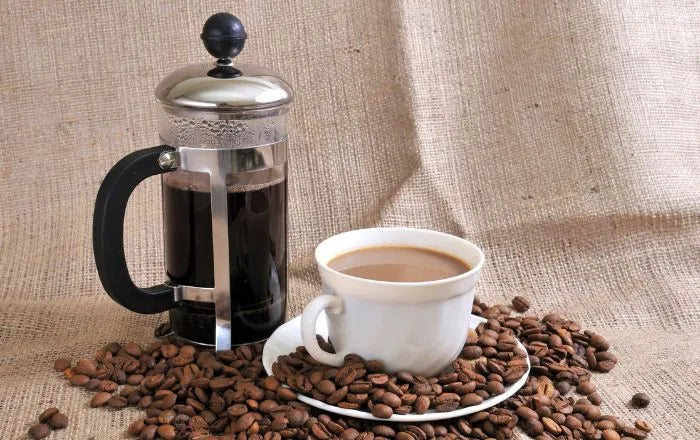
News
Brewing the Best Coffee: Mastering Different Styles of Coffee Makers
There's nothing quite like the aroma of freshly brewed coffee to start your day on the right note. While the quality of your beans plays a significant role, the brewing method you choose can make a world of difference in your coffee's flavor and aroma.
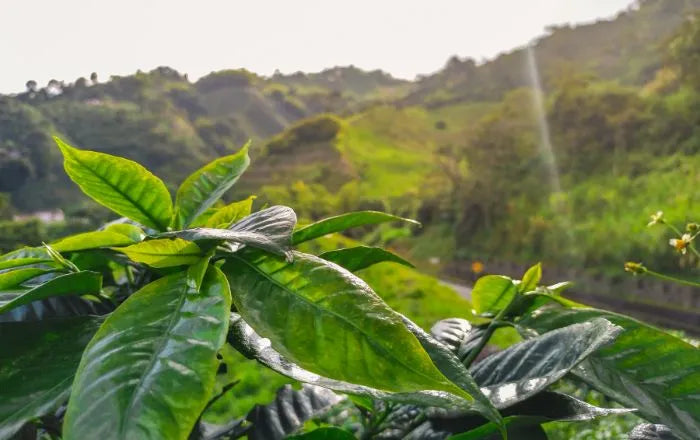
News
The Impact of Altitude on Coffee Flavor Profiles
At Elite Roasters of Atlanta, we take pride in our commitment to sourcing the finest coffee beans from around the world. We work directly with coffee farmers who cultivate their beans at different altitudes, allowing us to offer a diverse range of flavor profiles to our customers.

News
Cupping 101: How Professionals Taste Coffee
Coffee cupping, or coffee tasting, is the practice professionals use to evaluate a coffee's aroma and flavor profile. Much like wine tasting, it's a methodical process, a combination of art and science that can be learned and appreciated by all coffee lovers.

News
Coffee Grind Size Guide: Choose the Right Grind
Compare Elite’s Whole Bean, Coarse, Medium, and Fine options, then use our home-grinding chart to match your brewer and improve your next cup.